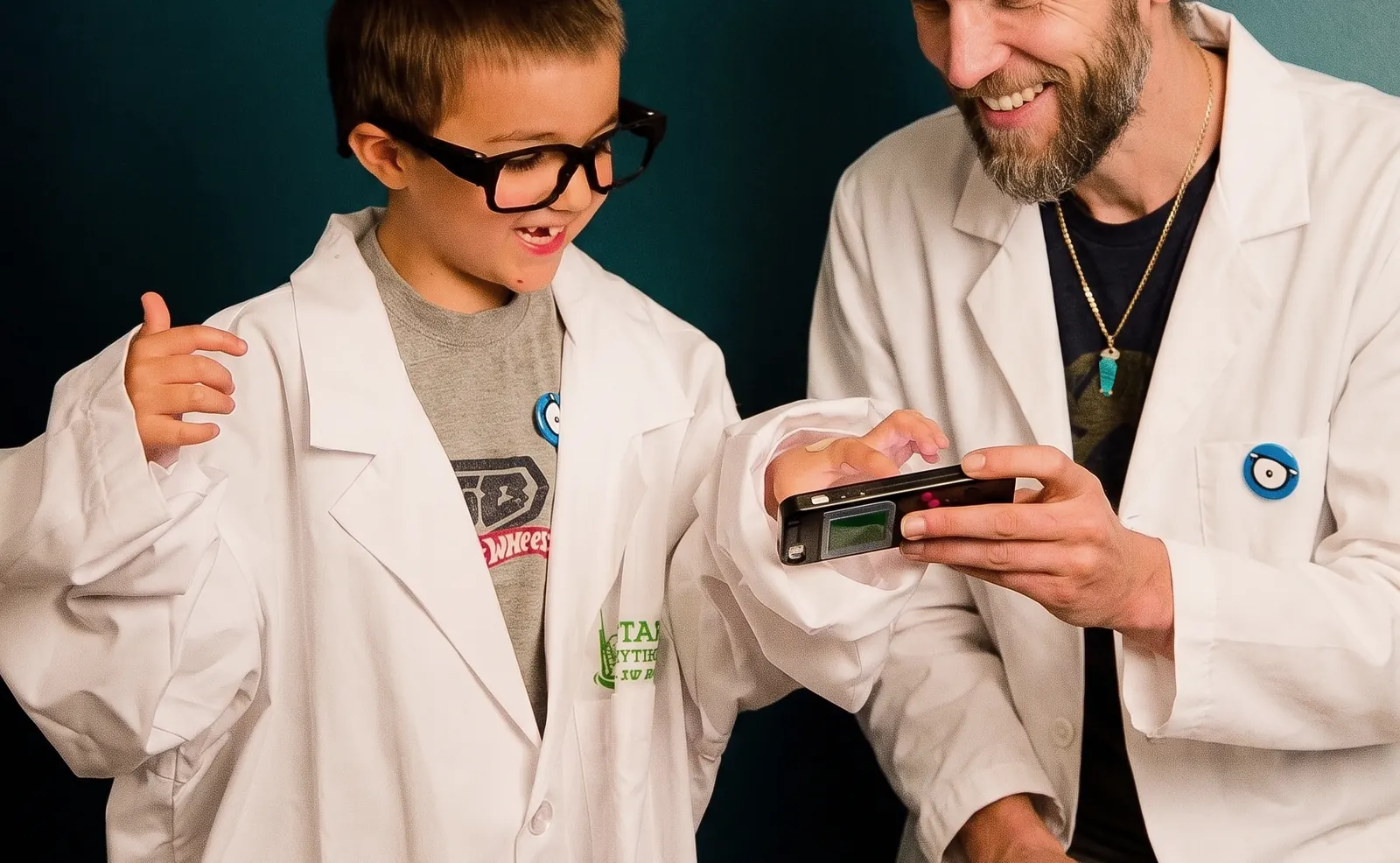
The YMCA years were bootcamp. A different group of wily kids every single day, with whatever materials showed up.
Two years of improvising a making session for a group I had never met, daily, on a shoestring budget. It is the same skill as putting a rough prototype in front of strangers and adapting on the fly.
Illustration, beatboxing, crafts...
Beatboxing, in layers
Body percussion first, so nobody feels self-conscious, then swap one sound at a time for the mouth version. Kick is b, snare is pf, hat is t t t t. Assign roles: one group holds the kick, another the hats, volunteers add effects. Everybody contributes and nobody has to solo.
Illustration, shape first
Three to five simple shapes. One feature that defines the silhouette. Mood through posture and line. Then one story detail, what happened one second before this image?
Demonstrate mistakes on purpose
Make a bad line, celebrate it, then repair it out loud. That teaches failure is just process instead of implying good drawing is magic or some are born with it and others aren't.
Bring three examples
One finished, one deliberately basic, one mid-process, so polish is not the only acceptable outcome in the room.
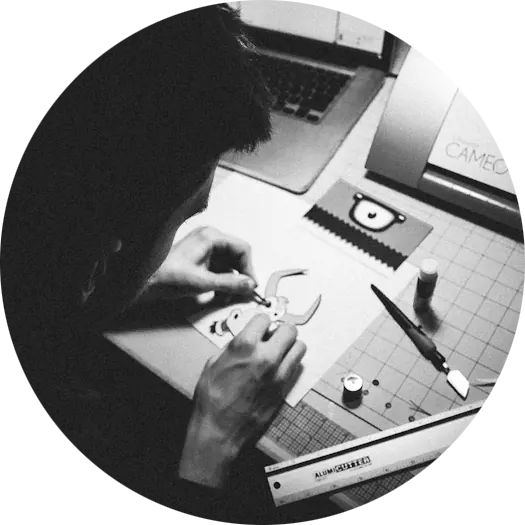
Change mode every 8–12 minutes
Listening. Moving. Making. Showing a partner. Sharing with the room. We deliberately switch between high-energy and focused modes.
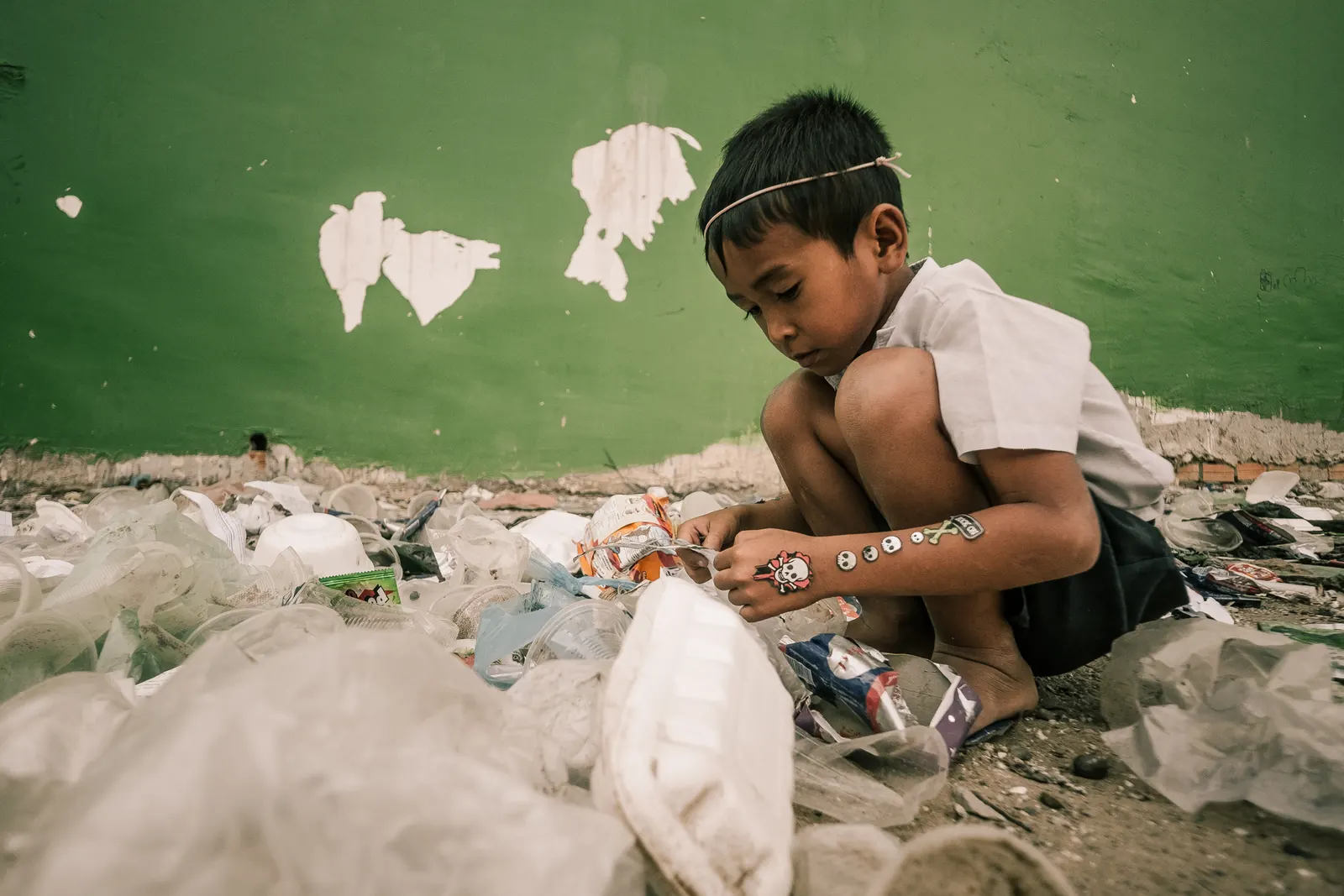
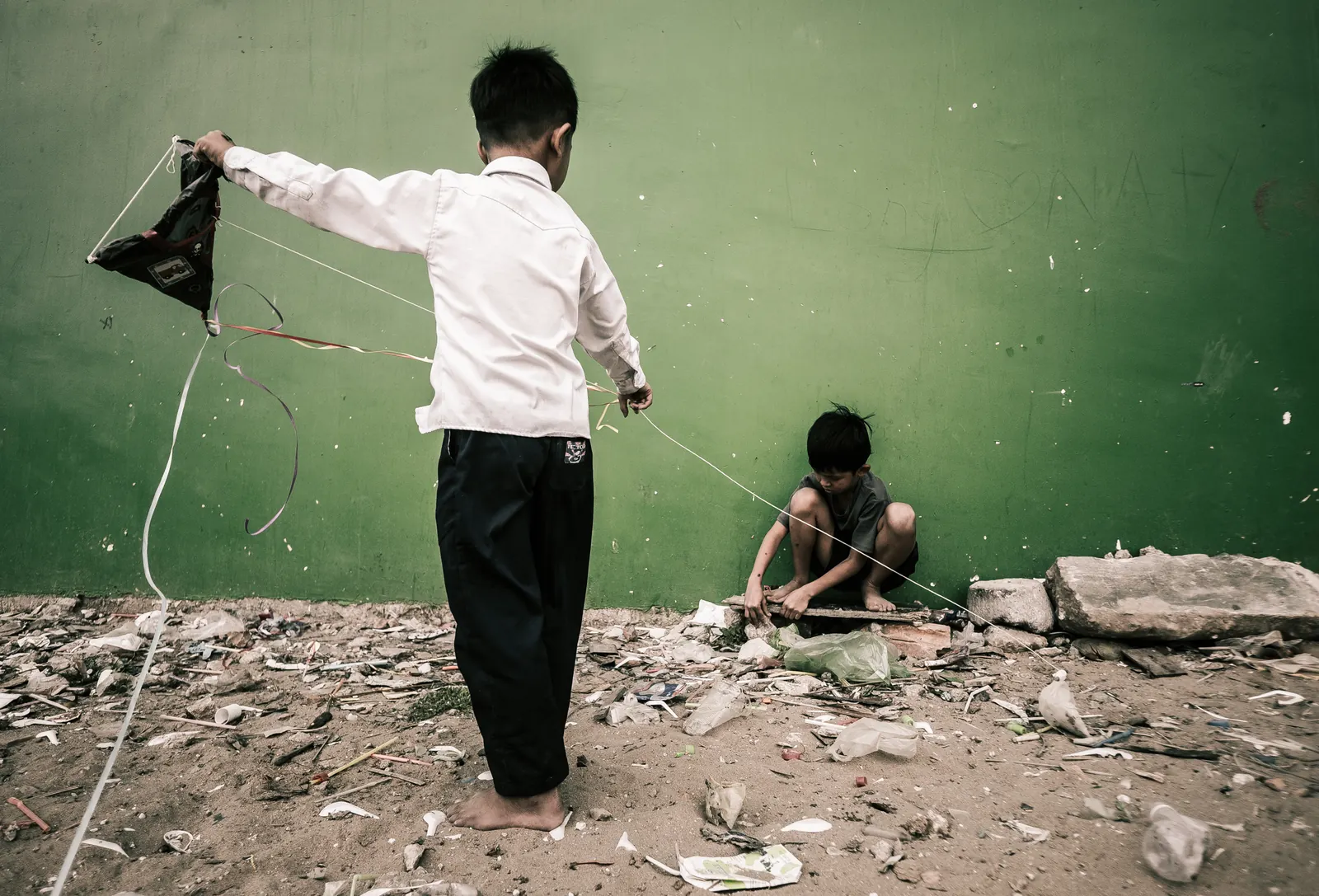
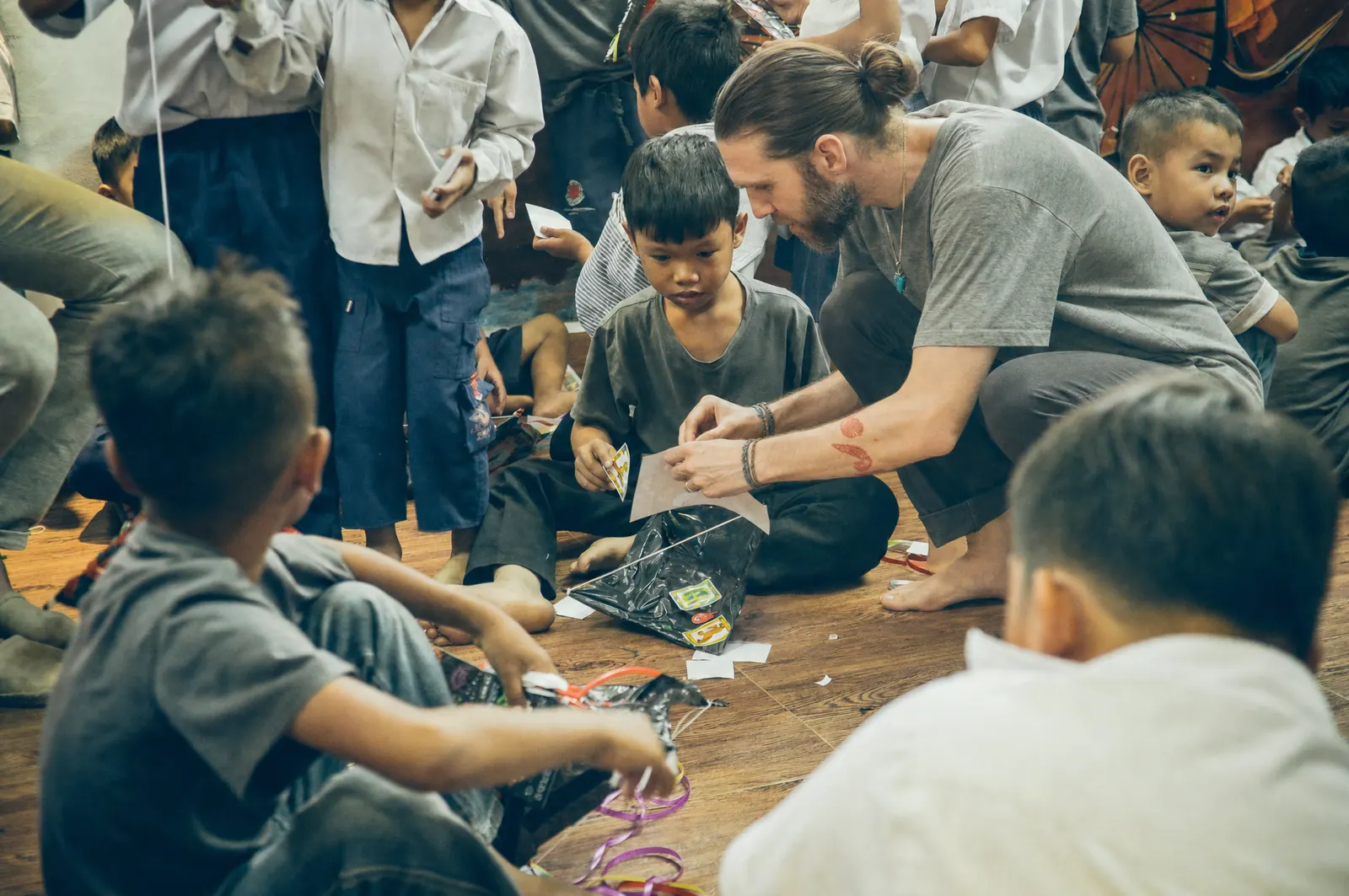
They built kites out of rubbish, then flew them.
Craft days in orphanages, using whatever was on hand: plastic bags, discarded packaging, string. Nobody needed a kit. Unpolished material never felt like a limitation. It turned these kids into little MacGuyvers, where any scrap could be used to create.
Northshore YMCA
Illustration, beatboxing and craft for 9–11 year olds. Drop-in, every day was a new session with whoever showed up.
StudentRND
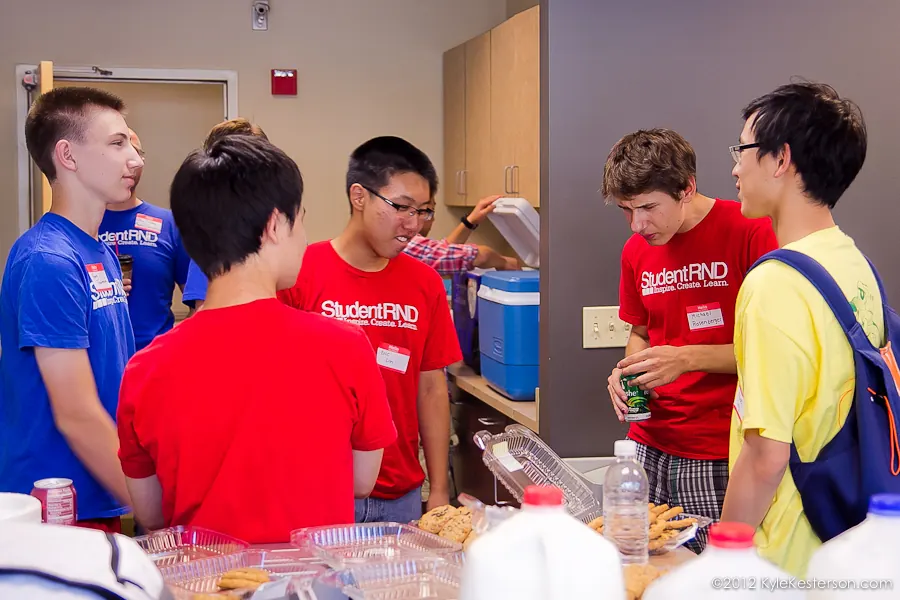
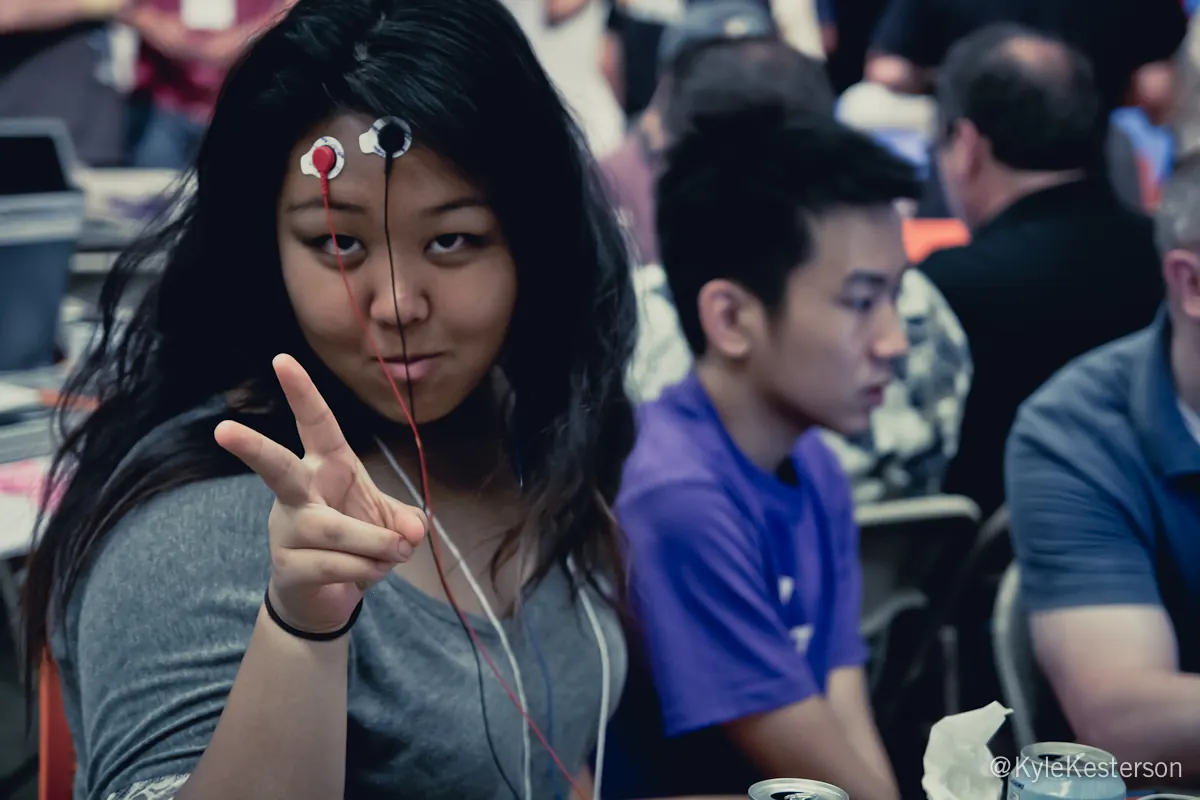
Organiser and mentor. A dozen student hackathons, 50–80 students each, building with hardware and software.
YouthCare Orion Center
Entrepreneurship and product development classes for at-risk youth, 12–17 years old.
Startup Weekend
17 events across Norway, Brazil, the US and Canada. 54 hours from idea to working prototype. I helped build the operations playbook so it could scale to over a thousand cities.
Nobody handed them a simplified version.
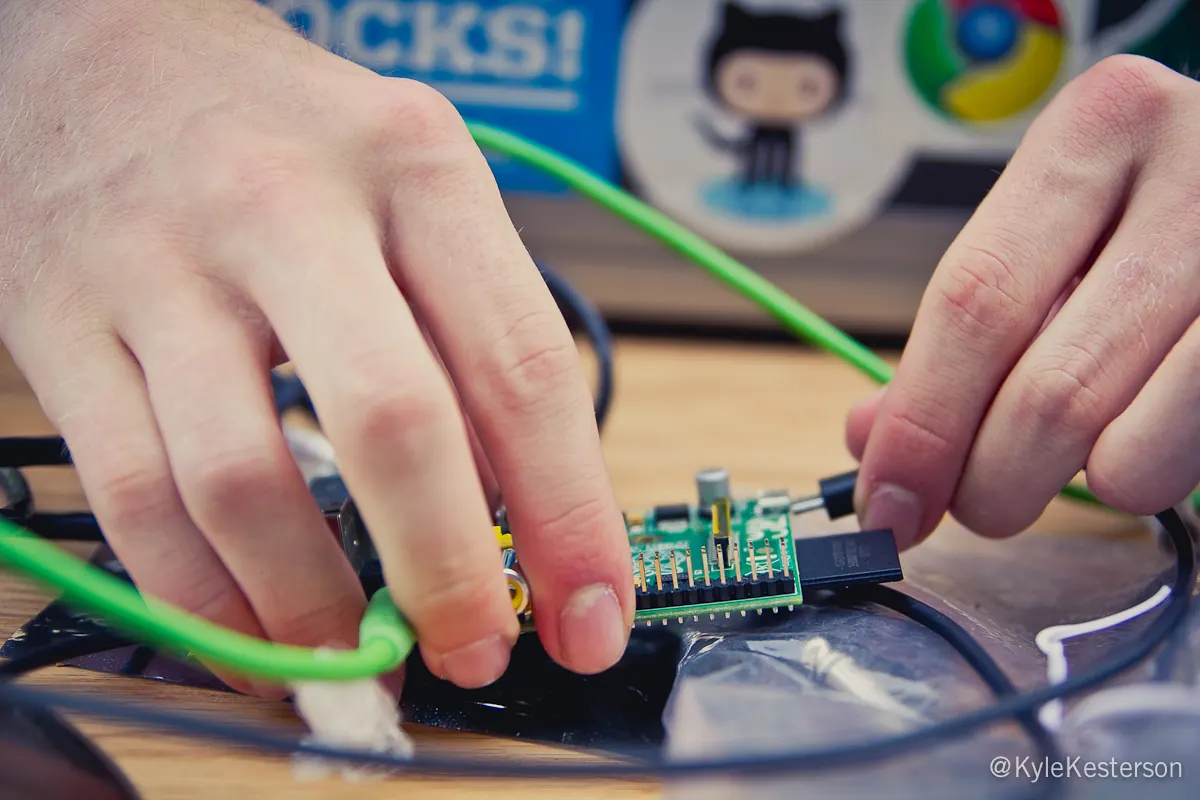
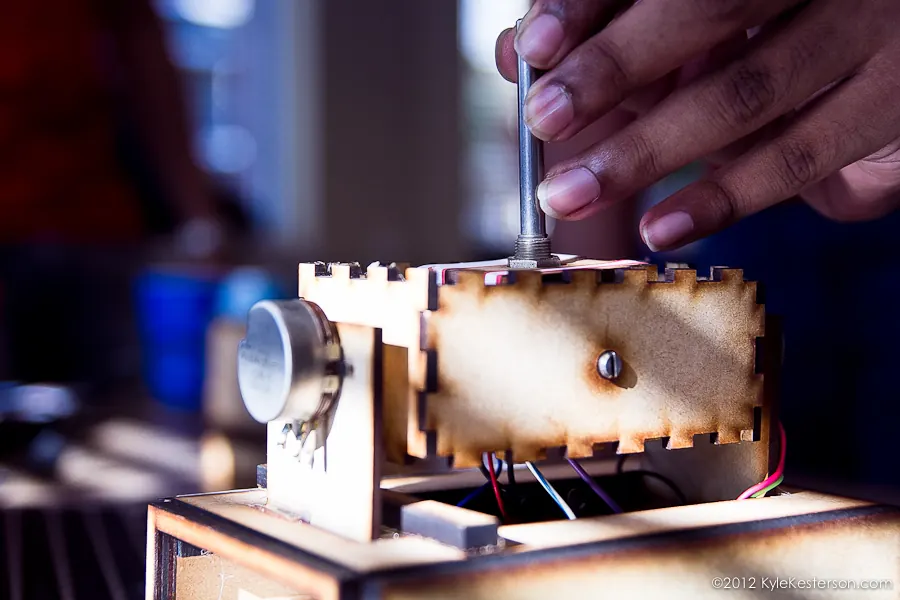
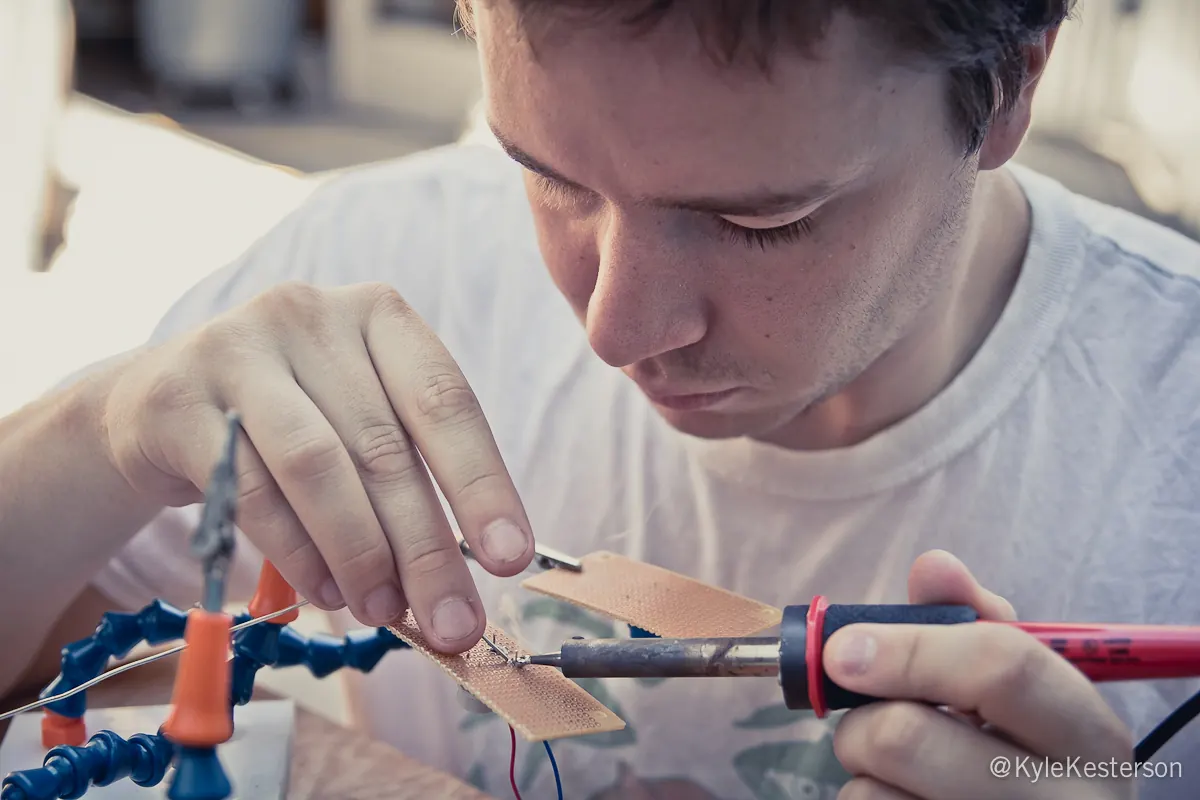
Same tools adults use. Real microcontrollers, real code, laser cut enclosures, and a deadline on Sunday. Adults keep assuming teenagers need the problem made smaller. They need it made real.
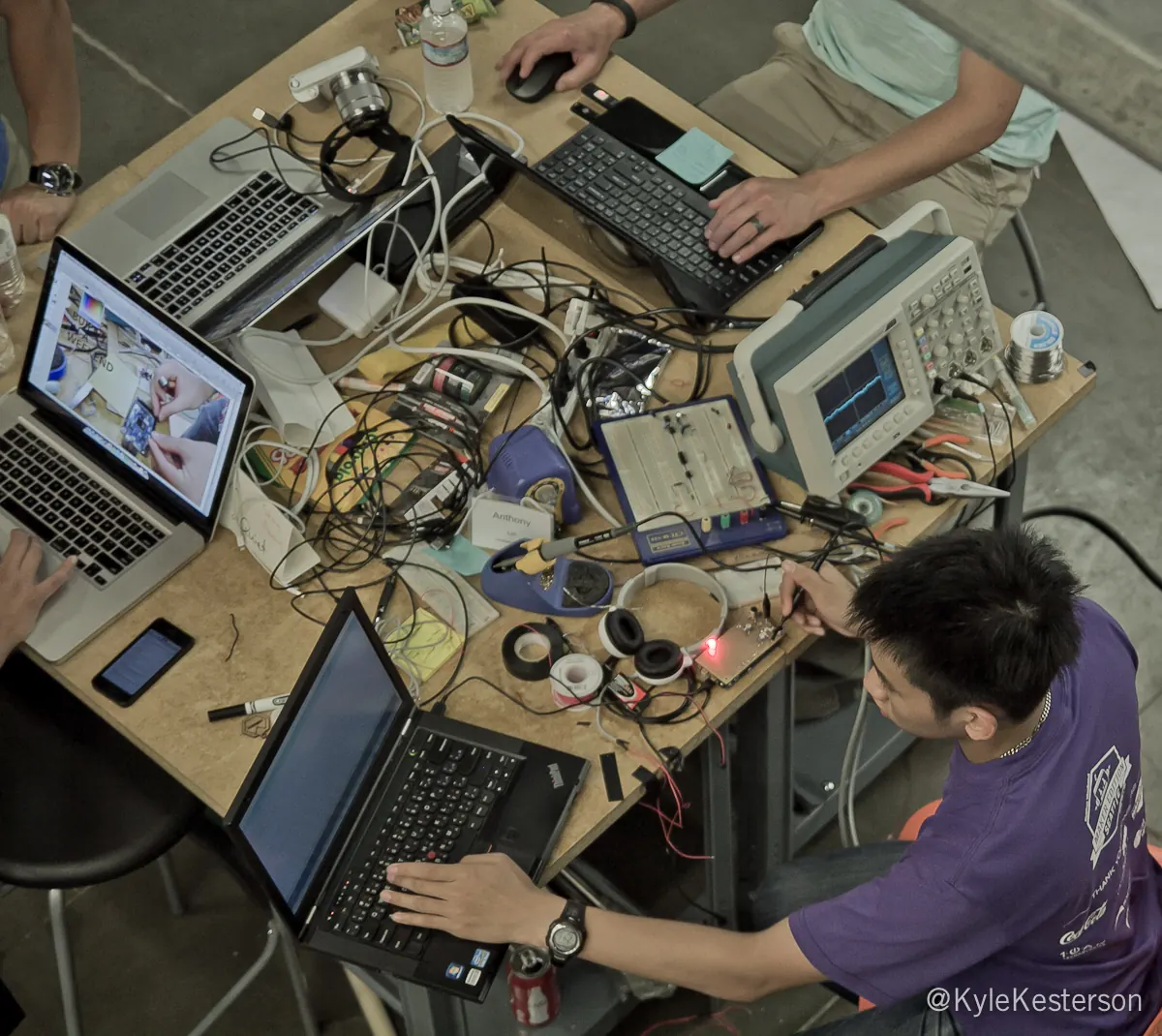
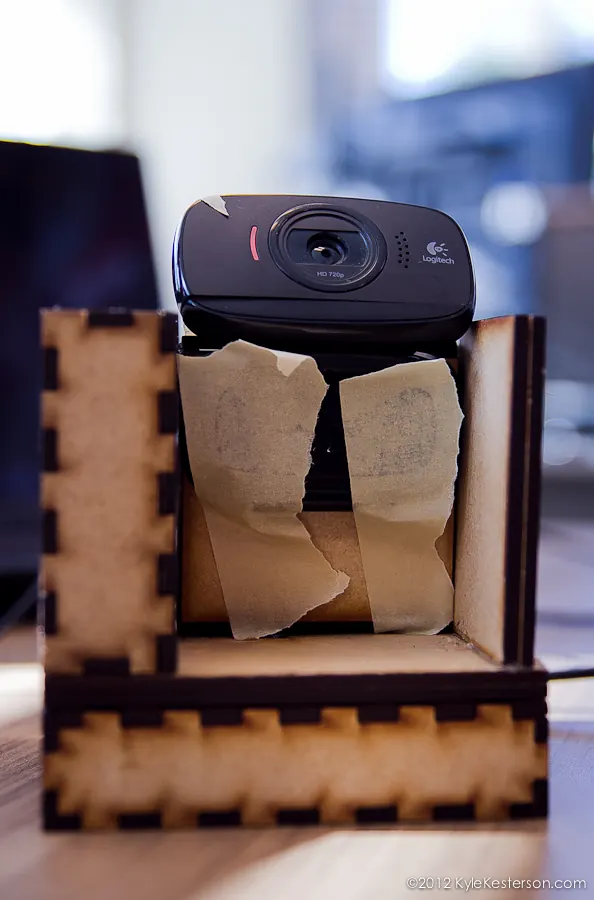
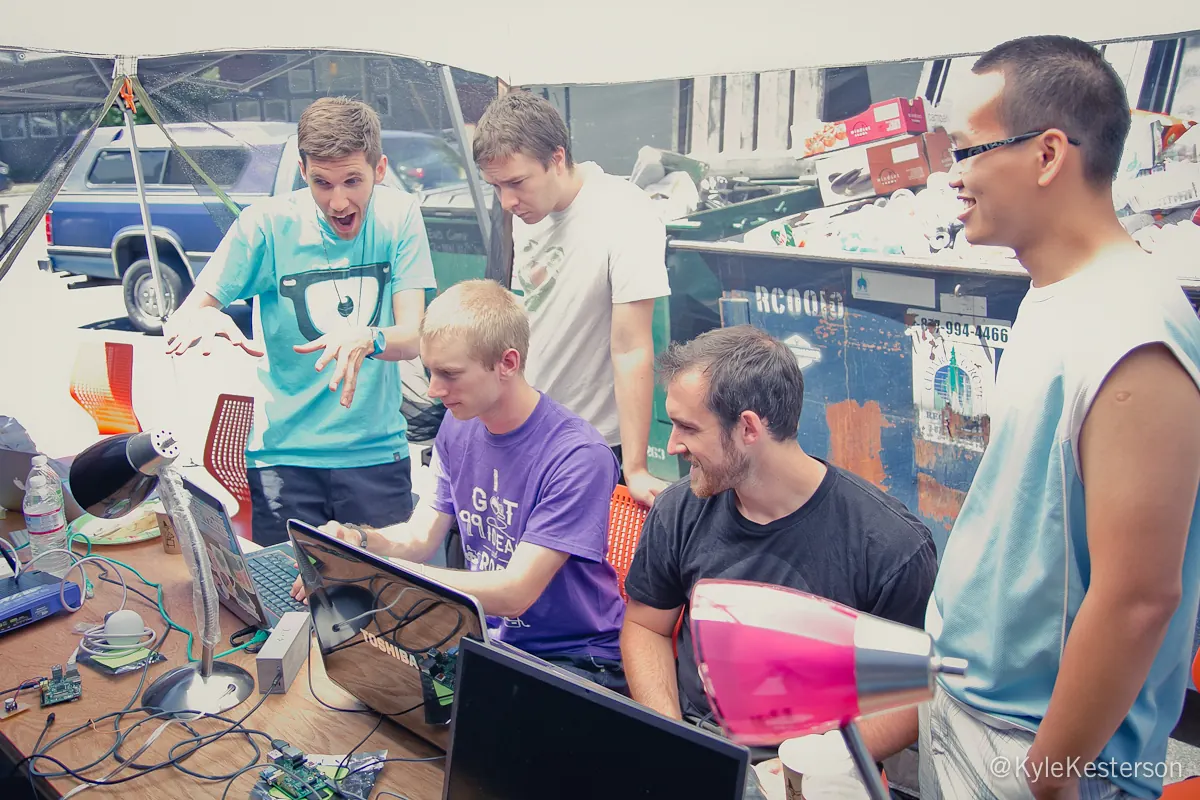
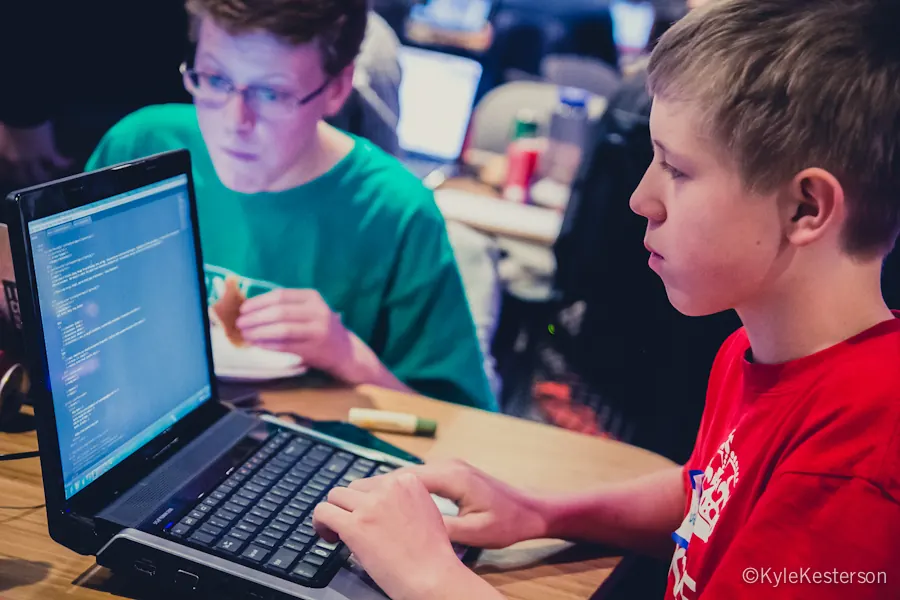
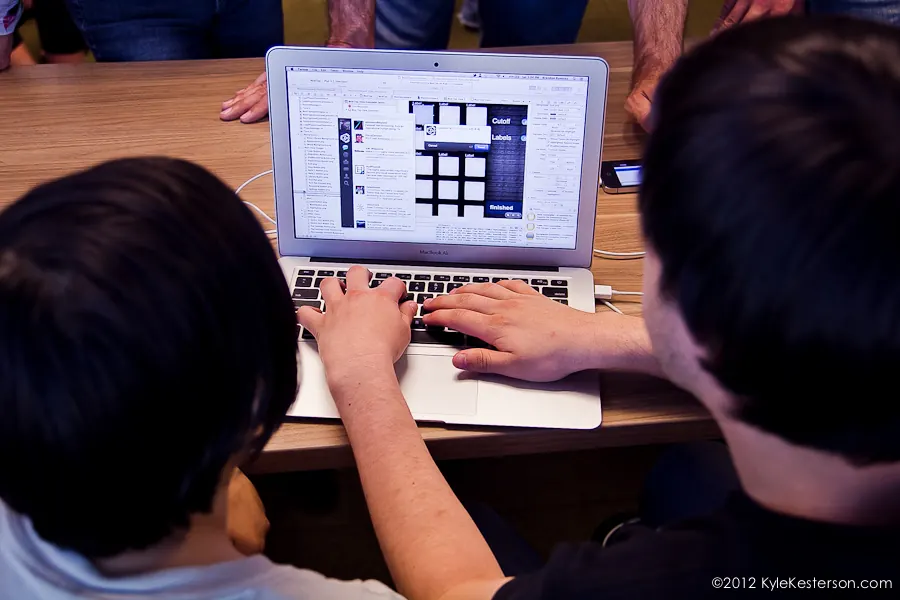
It started with personal stories.
At YouthCare and working with at-risk youth, instead of feeling like victims of circumstance, we reframed it: life as a bootcamp for character, and the hardest circumstances as the most exposure to the training.
Then we took a real problem each of them named, and got inventive about it. How to break something big into small steps. How to tackle each step. How to collaborate, divide and conquer, where to delegate, how to trust each other, and how to trust themselves.
Some lit up on the design. Some on the spreadsheets and the numbers. Some on going out and talking to people about it. Nobody was told which one they were.
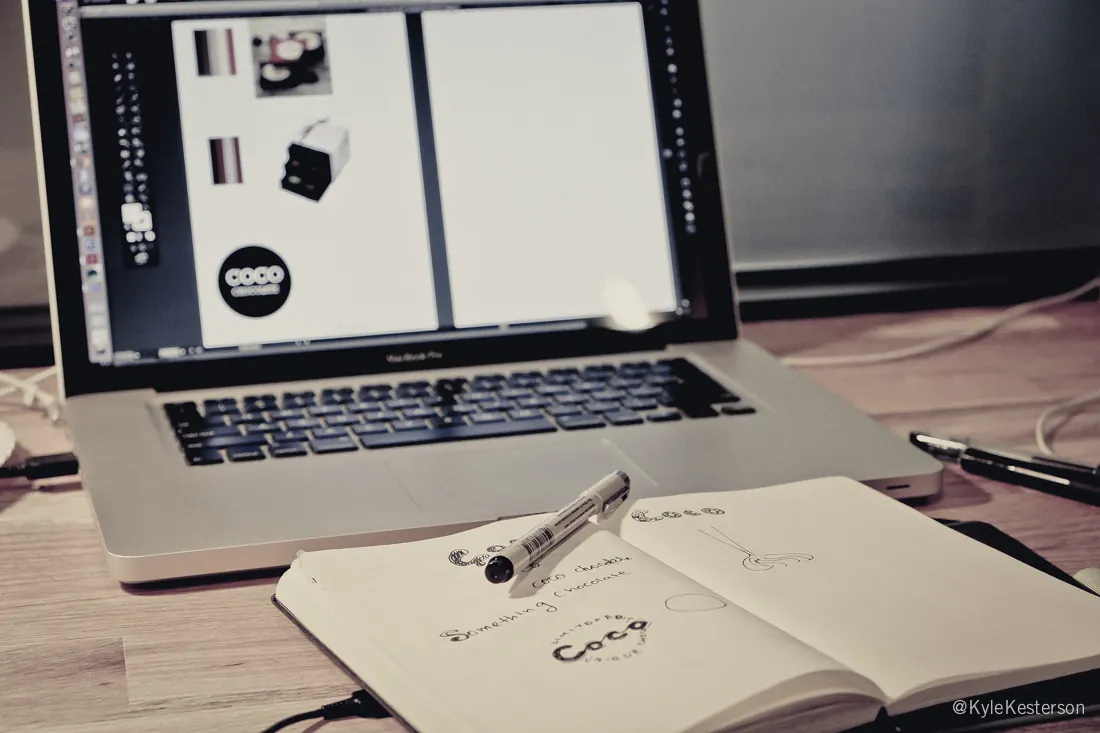 their brand, worked out by hand first
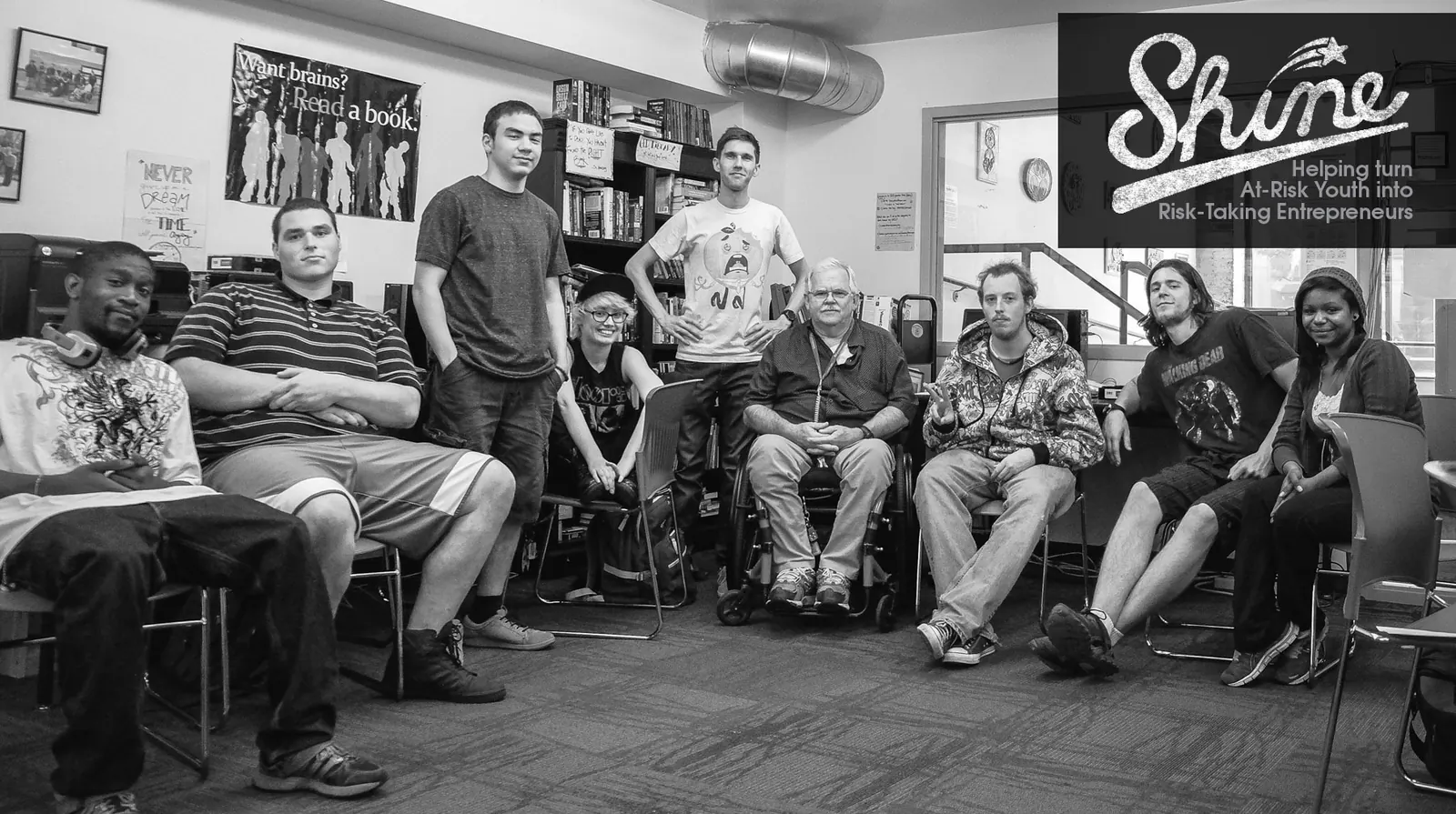 shine · at-risk youth into risk-taking entrepreneurs
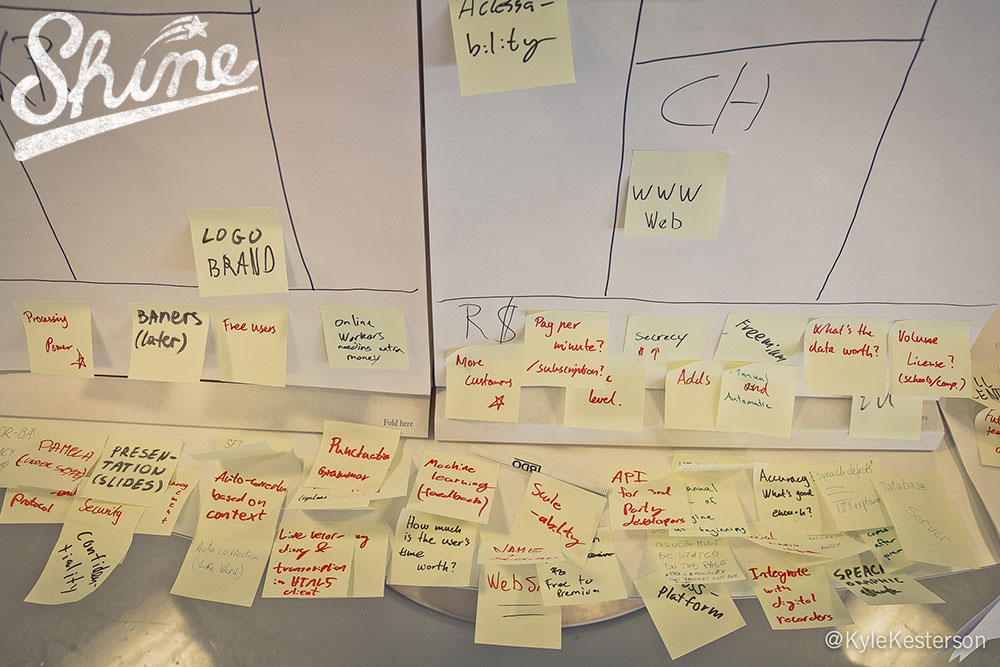 their own product, mapped on the wall
